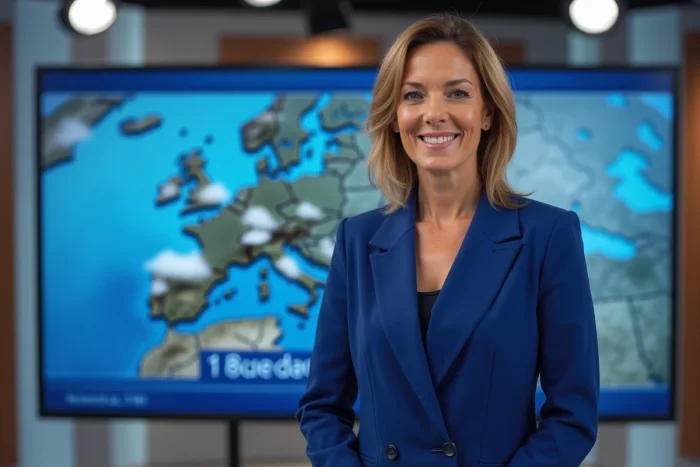
When a weather presenter appears on air in a colorful dress or a fitted jacket, the choice of this outfit has rarely been made alone in front of her wardrobe in the morning. Behind each on-screen appearance, there is a precise logistical circuit, technical constraints related to the set, and increasingly, a consideration of the coherence between the climate discourse and the image conveyed by the clothes worn.
Green Screen Constraints: Why Certain Outfits Are Impossible on Air
Before discussing style, we talk about technique. The green screen (or LED background, depending on the studios) dictates part of the wardrobe. A green dress worn in front of a chroma key screen literally makes the presenter disappear into the map of France. Fine patterns, such as tight stripes or houndstooth, cause a moiré effect on screen, a visually unpleasant flicker for the viewer.
Since 2023, several weather studios from groups like France Télévisions and BFM have been using software tools that simulate the rendering of outfits on a green screen or LED background before going on air. They test the color, pattern, material, and either approve or reject it. This digital filtering has reduced unpleasant surprises during live broadcasts.
In practice, solid and bold colors (royal blue, red, off-white) remain safe bets. Black works well but can flatten the silhouette under certain lighting. Pure white can overexpose depending on the set’s lighting. In this context, we better understand who dresses the weather presenters and why the final choice involves much more than just a matter of personal taste.
Stylists, Channel Wardrobes, and Personal Closets: Who Really Decides on the Clothes
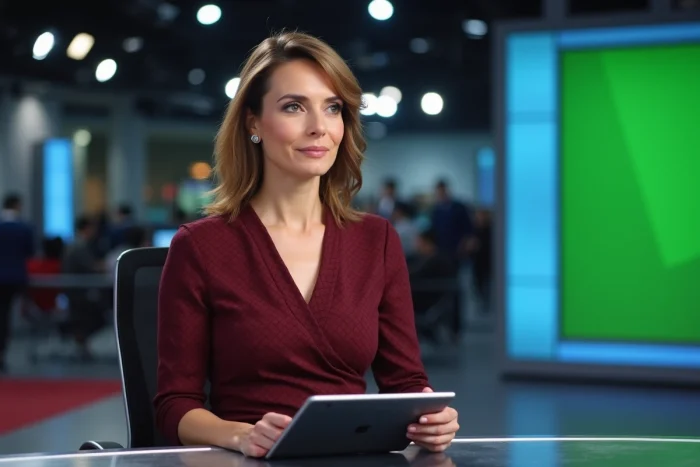
The circuit varies depending on the channel and the budget allocated. On major networks like TF1 or France 2, presenters often have access to what is called a “wardrobe” from the channel. Évelyne Dhéliat, a historical figure in weather on TF1, described this system: a stock of clothes made available by the channel, from which each presenter can choose.
Others rely on a dedicated stylist. This professional selects pieces, has them delivered to a showroom or directly to the studio, and assembles the outfits while considering the technical constraints mentioned earlier. The stylist also manages the rotation to avoid the same dress or jacket appearing too often on screen.
TNT Presenters: More Limited Resources
On TNT channels, the styling budget is significantly tighter. Some presenters use their own wardrobe, sometimes supplemented by loans from brands. Others occasionally collaborate with second-hand platforms or rental showrooms to refresh their on-air outfits without blowing their budget.
Anaïs Baydemir, known for her appearances on France 2, has cultivated a recognizable personal style, mixing structured jackets and understated dresses. The choice of clothing then becomes a signature on air, an element of identification for the audience.
Clothing Sobriety and Climate Discourse: A Coherence in Progress
You don’t present the weather, with its reports on heatwaves, droughts, and temperature records, while wearing outfits from ephemeral collections without considering the question of coherence. Several news and weather editorial teams have initiated internal reflections on this topic since 2023.
The identified axes are concrete:
- Limiting overly visible luxury brands on air to avoid a disconnect with the discourse on energy and climate sobriety
- Encouraging the reuse of outfits and timeless basics rather than systematic new items for each bulletin
- Occasional use of second-hand clothing or rentals, especially on channels where the budget does not allow for constant wardrobe renewal
This trend remains discreet. The channels do not officially communicate about it, and feedback varies among editorial teams. We are far from a formalized policy across all networks, but the direction taken is towards a more sustainable wardrobe.
Weather Presenters’ Outfits: Is the Treatment the Same for Men?
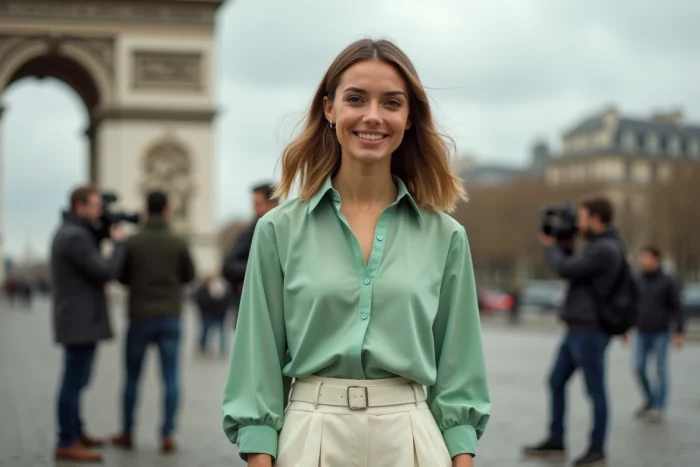
The clothing question on French television does not affect men and women in the same way. Male weather presenters almost always wear a suit or pants with a sweater or jacket. The range is narrower, less commented on, and less scrutinized by the public.
Female presenters, on the other hand, face much more intense scrutiny. Every dress, every color, every accessory is noticed and sometimes criticized on social media. This asymmetry partly explains why the use of a stylist mainly concerns women on air.
Image as a Professional Tool
For a weather presenter, the outfit is not a detail. It contributes to perceived credibility, audience identification, and the fluidity of the bulletin. A poorly chosen outfit can distract, create a technical incident with the green screen, or send a contradictory message to the content presented.
Marie, Anaïs, Évelyne: each has developed a different relationship with on-air clothing. Some claim total freedom, while others prefer to delegate entirely to a styling professional. The common point remains a keen awareness that each outfit passes through a double filter, technical and editorial, before appearing on screen.
Ultimately, the wardrobe of weather presenters reflects the current tensions in French television: budget constraints, technical demands of the set, pressure from social media images, and a nascent desire to align environmental discourse with visible practices on air. A balance that each channel negotiates in its own way, bulletin after bulletin.