
The textile market is going through a period of regulatory and industrial restructuring. The AGEC law, adopted in 2020, gradually prohibits the destruction of unsold textiles and requires brands to organize the resale, donation, or recycling of their stocks. At the same time, a European regulation (ESPR, 2024) provides for the establishment of a digital passport for each garment, detailing materials, traceability, and end-of-life.
These two frameworks change the conditions under which a responsible wardrobe can be built, far beyond simply choosing an ethical brand.
Digital passport for textiles: what mandatory traceability changes
Most guides on ethical fashion focus on labels and materials. The subject of regulatory traceability remains little addressed, even though it will transform the relationship between buyer and garment.
The European regulation ESPR (2024) stipulates that eventually, each textile item sold in Europe must include a digital access point (QR code or chip) linking to a digital product passport. This document will detail the exact composition of materials, production conditions, reparability, and end-of-life pathways.
For a consumer looking to adopt a sustainable wardrobe, this system changes the game. Vague claims (“eco-designed,” “responsible”) will need to be supported by verifiable data. Brands that engage in greenwashing will lose part of their marketing cover. However, the available data does not yet indicate when this passport will be effectively deployed for all textiles, as implementation timelines are still being defined.
Platforms like hylla.fr are already aligning with this logic of transparency applied to circular fashion, structuring access to pieces whose origin and composition are documented.
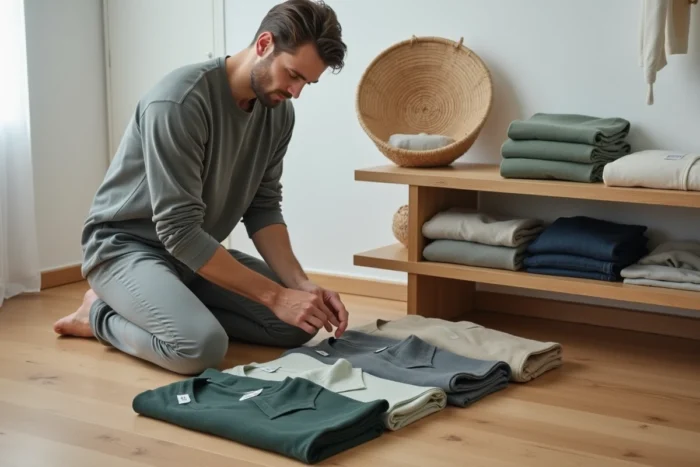
Textile repair bonus and AGEC law: concrete levers to extend the lifespan of your clothes
As of January 1, 2024, the textile repair bonus allows for part of the repair cost of a garment to be covered by an approved professional. This system, established under the REP Textiles framework by the Ministry of Ecological Transition, aims to extend the lifespan of existing pieces rather than push for new purchases.
The AGEC law strengthens this mechanism with two obligations that directly impact the market:
- The prohibition of destroying unsold textiles, which pushes brands to create flow channels (outlets, refurbishment, donations to associations)
- The enhancement of consumer information, with a future sustainability index making visible the strength of seams, wash resistance, and availability of spare parts
- The obligation for producers to contribute financially to the collection and recycling of used textiles
In practical terms, adopting a responsible style is no longer limited to buying “ethical.” A garment repaired through the bonus often costs less than a replacement, even second-hand. This lever remains underutilized: field returns vary on the actual number of approved repairers accessible outside major cities.
Second-hand and refurbishment by brands: a circuit in full structuring
The rise of second-hand is often presented as a consumer trend. It is also a direct consequence of regulation. The prohibition on destroying unsold items has pushed several brands to create their own resale or refurbishment channels.
Brands now operate their own second-hand platforms, changing the nature of the offer. A garment refurbished by its manufacturer benefits from quality control that the peer-to-peer market cannot guarantee. Materials are verified, defective pieces are removed or repaired.
To build a trendy and circular wardrobe, this circuit presents a rarely mentioned advantage: the availability of recent pieces. Unlike thrift stores, where style depends on random stock, responsible brand outlets offer identified collections, with documented composition and provenance.
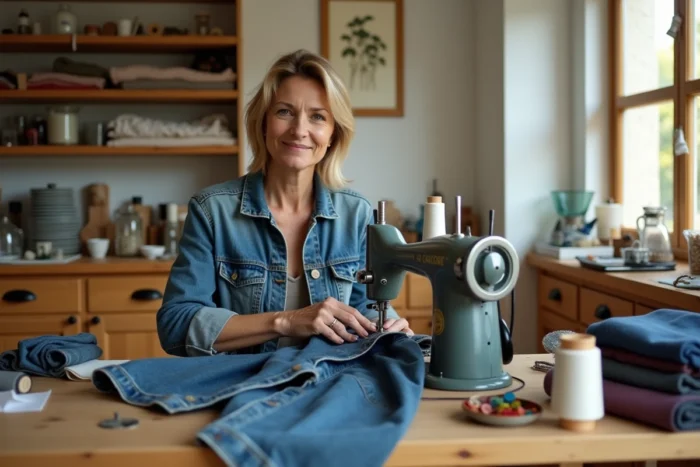
Criteria for evaluating a second-hand piece
Not all second-hand items are equal in terms of durability. A few verification points can help distinguish a sustainable purchase from a disposable one:
- The composition of textile materials: a garment made from natural fibers (linen, organic cotton) or documented recycled materials will age better than a low-quality synthetic blend
- The condition of seams and finishes, which indicates the quality of initial production and the remaining potential lifespan
- The possibility of future repair, particularly the availability of compatible buttons, zippers, or fabrics
Ethical fashion and trends: the trap of constant renewal
The main blind spot in discussions about responsible fashion concerns the frequency of purchases. Buying sustainably but renewing your wardrobe every season merely shifts the problem without solving it.
Reducing the total number of pieces purchased per year remains the most effective gesture, ahead of material choice or label. A wardrobe made up of few durable, repairable, and combinable garments generates a significantly lower environmental impact than a plethora of ethical clothing.
Fashion trends evolve, but well-cut pieces in solid materials can last several seasons effortlessly. Betting on classic cuts in durable materials, occasionally complementing with second-hand for more stylistically marked pieces: this approach reconciles style and responsibility without falling into accumulation.
The French and European regulatory framework is pushing the textile industry towards greater transparency and circularity. The repair bonus, the prohibition of destroying unsold items, and the future digital passport create concrete tools for those looking to build a responsible wardrobe. The challenge remains to know and use them, as their effective deployment varies by territory and sector.